

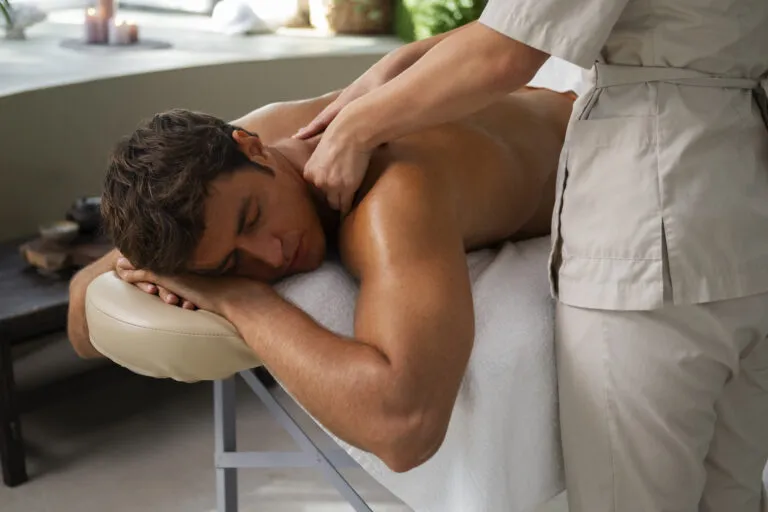
Massage can burn a small number of calories, but it’s not a weight-loss solution. It mainly helps your body relax, recover, and function better.
Does Massage Burn Calories?
Benefits, Myths & What to Expect
If you’ve ever wondered does massage burn calories, the short answer is yes—but only slightly. While your body does use energy during a massage session, the calorie burn is minimal compared to exercise. However, massage offers many other benefits that indirectly support your overall health and fitness goals.
What Happens to Your Body During a Massage?
A massage is more than just relaxation. It triggers several physical responses that support healing and recovery.
Your muscles loosen, blood flow improves, and stress levels drop. These changes help your body function better overall. Even though you’re not actively moving, your body is still working internally.
Here’s what typically happens:
- Muscles relax and release tension
- Blood circulation increases
- Heart rate may slightly change
- Stress hormones decrease
- Oxygen flow improves
All of this requires energy, which is why a small number of calories are burned.
Does Massage Burn Calories in a Meaningful Way?
Let’s address the question directly again—does massage burn calories enough to impact weight loss?
The answer is no. A typical 60-minute massage may burn around 50–100 calories, depending on your body and the massage type. That’s similar to light activities like sitting or slow walking.
So while massage contributes to calorie burning, it shouldn’t replace exercise or healthy eating.
Think of it this way:
- Massage = supportive wellness tool
- Exercise = primary calorie-burning activity
Massage complements your routine, but it doesn’t replace movement.
Why Do People Think Massage Helps With Weight Loss?
There are a few reasons this belief exists.
First, massage can reduce water retention and bloating, making your body feel lighter. Second, it improves circulation, which may give a temporary toned appearance.
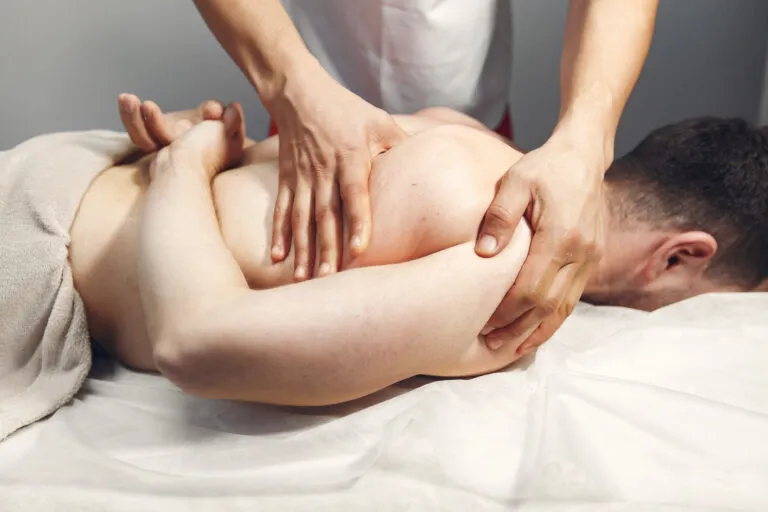
Also, after a relaxing massage, people often feel more motivated to maintain healthy habits.
But it’s important to separate myths from reality:
- Massage does not melt fat
- It does not replace workouts
- It cannot directly cause weight loss
What it can do is support your body in ways that make fitness easier and more effective.
What Are the Real Benefits of Massage?
Even though calorie burning is minimal, the real benefits of massage are powerful and long-lasting.
Improves Blood Circulation
Better circulation helps deliver oxygen and nutrients to muscles, improving recovery.
Reduces Muscle Tension
Massage helps release tight areas, making movement easier and less painful.
Supports Stress Relief
Lower stress levels can reduce emotional eating and improve overall well-being.
Enhances Sleep Quality
Better sleep helps regulate hormones linked to hunger and metabolism.
Boosts Flexibility
Relaxed muscles allow for better mobility and reduced injury risk.
Can Massage Support Your Fitness Goals?
Yes, absolutely—just not in the way most people think.
Massage works best when combined with a healthy lifestyle. It helps your body recover faster, which allows you to stay consistent with workouts.
Here’s how it supports your goals:
- Speeds up muscle recovery after exercise
- Reduces soreness and stiffness
- Helps prevent injuries
- Keeps your body flexible and mobile
For example, getting a body massage in New York after a tough week of workouts can help your muscles recover and prepare for the next session.
What Types of Massage Are Best for Recovery?
Different types of massage offer different benefits. Choosing the right one depends on your needs.
Swedish Massage: Gentle and relaxing, great for stress relief and circulation.
Deep Tissue Massage: Targets deeper muscle layers to relieve chronic tension.
Sports Massage: Designed for active individuals to improve performance and recovery.
Thai Massage: Involves stretching and pressure to improve flexibility and energy flow.
If you’re looking for professional care, trying a session at a trusted massage midtown NYC location can help you explore which type suits you best.
What Should You Expect During a Session?
If it’s your first time, knowing what to expect can help you feel more comfortable.
A typical session includes:
- A brief consultation about your needs
- Comfortable positioning on a massage table
- Use of oils or lotions
- Gentle to firm pressure depending on your preference
After the session, you may feel relaxed, slightly tired, or even energized.
Are There Any Risks or Side Effects?
Massage is generally safe, but there are a few things to keep in mind.
Possible mild side effects include:
- Temporary soreness
- Slight fatigue
- Mild dehydration
To stay safe:
- Always choose a trained therapist
- Communicate your comfort level clearly
- Stay hydrated after your session
If you have medical conditions, consult a doctor before booking a massage.
How Often Should You Get a Massage?
The frequency depends on your lifestyle and goals.
- For relaxation: once or twice a month
- For muscle recovery: weekly or bi-weekly
- For chronic pain: as recommended by a professional
Consistency matters more than frequency. Even occasional sessions can provide noticeable benefits.
Can Massage Replace Exercise or Diet?
No, massage cannot replace exercise or a healthy diet.
However, it can make both easier to maintain.
When your body feels good, you’re more likely to stay active and make better lifestyle choices. Massage works as a support system, not a substitute.
How Can You Maximize the Benefits of Massage?
To get the most out of your sessions, follow these simple tips:
- Drink plenty of water before and after
- Avoid heavy meals right before your session
- Communicate your pressure preferences
- Stretch lightly after your massage
- Stay consistent with your sessions
These small steps can make a big difference in your overall experience.
Ready to Experience the Benefits Yourself?
If you’re looking to relax, recover, and feel your best, massage can be a great addition to your routine. While does massage burn calories may not be the main reason to book a session, the overall wellness benefits are worth it.
At Mali Healing Spa NYC, we focus on helping you feel balanced, relaxed, and recharged. Whether you’re exploring stress relief or muscle recovery, a professional full body massage NYC experience can help you reset both physically and mentally.
Key Takeaways:
- Massage burns a small number of calories but is not a weight-loss method
- It improves circulation, reduces stress, and supports recovery
- Massage works best alongside exercise and a healthy diet
- Different massage types offer different benefits
- Consistency helps maximize results over time
FAQs:
1. Does massage really burn calories?
Yes, but only a small amount. It’s not enough for weight loss.
2. Can massage help reduce belly fat?
No, massage does not directly reduce fat. It supports overall wellness.
3. How many calories does a massage burn?
Around 50–100 calories per hour, depending on the massage type.
4. Is massage good after workouts?
Yes, it helps reduce soreness and speeds up muscle recovery.
5. How often should I get a massage?
It depends on your needs, but once or twice a month works well for most people.