


Key Takeaways
- Facial wrinkles fall mainly into two categories: dynamic and static.
- Early and consistent preventive measures help slow wrinkle formation.
- Treatments from topical products to minimally invasive procedures are available.
- Lifestyle adjustments are crucial for maintaining overall skin health.
Table of Contents
- Understanding Facial Wrinkles
- Dynamic Wrinkles
- Static Wrinkles
- Preventive Measures
- Treatment Options
- Lifestyle Factors
- Conclusion
Facial wrinkles are a natural part of the aging process, but understanding their causes and different types helps people make smarter decisions about prevention and treatment. Beyond genetics and time, environmental factors such as sun exposure and lifestyle habits also play a major role in how wrinkles form. For those exploring advanced solutions, options like novathreads norfolk va offer a modern approach, making it useful to first understand the science behind facial aging and how these treatments work.
Knowing the difference between dynamic and static wrinkles helps individuals choose strategies that match their specific skin needs. With consistent sun protection, healthy daily habits, and guidance from skincare professionals, it becomes possible to slow the appearance of fine lines. Combining these habits with targeted treatments can lead to smoother skin and a more refreshed overall appearance.
With so many potential factors contributing to wrinkles, such as sun exposure, repetitive facial movements, and changes in skin structure, the importance of a comprehensive skincare routine cannot be overstated. Early prevention and intervention offer the best results for reducing the depth and number of wrinkles. For those seeking additional solutions, dermatologists and skincare professionals can recommend both topical and procedural options tailored to individual needs.
By learning more about wrinkle types and proven methods to address them, anyone can develop a more effective strategy for skin aging. Education, prevention, and consistency are at the heart of any successful anti-aging journey.
Understanding Facial Wrinkles
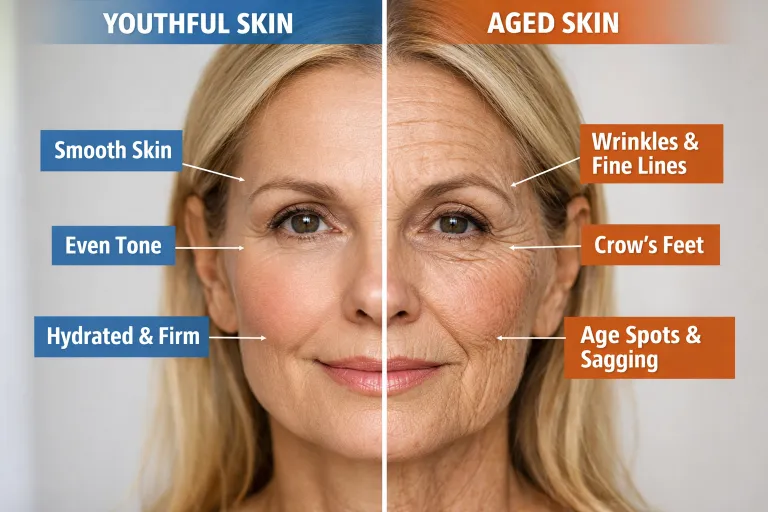
Facial wrinkles are lines, folds, or creases that appear on the skin due to a combination of intrinsic and extrinsic factors. As skin ages, collagen and elastin fibers decline in both quantity and quality, making the skin thinner and less resilient. External contributors such as sun exposure, pollution, and lifestyle habits accelerate the formation of wrinkles and deepen existing ones. Wrinkles are commonly divided into two primary categories: dynamic and static wrinkles.
Dynamic Wrinkles
Dynamic wrinkles are formed by repeated contractions of facial muscles when expressing emotions like smiling, frowning, or squinting. Every time you make an expression, underlying muscles tug on the skin, causing it to crease in the same places repeatedly. Over many years, these creases become etched into the skin, first appearing only with movement and later becoming more pronounced. Examples of dynamic wrinkles include crow’s feet at the outer corners of the eyes, horizontal forehead lines, and vertical frown lines between the eyebrows. While they begin as temporary lines, lack of intervention, sun damage, and natural aging can cause them to persist, eventually becoming static wrinkles.
Static Wrinkles
Static wrinkles are present even when the face is at rest. These lines result from the breakdown of collagen and elastin, loss of fat and moisture in the skin, and the influence of gravity. Over time, these factors cause the skin to lose volume and elasticity, leading to deeper folds and lines. Common areas for static wrinkles include the cheeks, nasolabial folds (the lines running from the nose to the mouth), marionette lines beside the chin, and lines under the eyes. Because they are visible regardless of facial expression, static wrinkles generally require a combination of preventive care and targeted treatments for significant improvement.
Preventive Measures
Sun Protection
UV exposure is a primary cause of premature skin aging and wrinkle formation. The sun’s ultraviolet rays break down collagen and elastin fibers, leading to sagging, thinning skin, and fine lines. A daily habit of using broad-spectrum sunscreen with an SPF of 30 or higher is essential. Protective clothing and avoiding peak sunlight hours also help defend against sun-induced wrinkles.
Hydration and Skincare
Consistent moisturizing helps support the skin’s barrier against environmental damage and dehydration. Well-hydrated skin is less prone to developing early wrinkles and appears smoother. Humectants like hyaluronic acid draw water into the skin, and emollients lock in moisture, reducing the chances of dryness-related lines.
Antioxidant-Rich Diet
A diet filled with colorful fruits and vegetables, healthy fats, and lean protein can provide antioxidants that counteract the damage caused by free radicals. Antioxidants, such as vitamins C and E, help maintain healthy collagen levels and fend off signs of early aging.
Treatment Options
Topical Treatments
Over-the-counter and prescription creams containing retinoids (vitamin A derivatives), peptides, and antioxidants can significantly improve skin texture and minimize fine lines. Retinoids speed up cell turnover and increase collagen production, offering noticeable long-term benefits.
Minimally Invasive Procedures
Cosmetic injections and fillers are increasingly popular for combating wrinkles. Botulinum toxin injections (such as Botox) temporarily relax facial muscles, smoothing dynamic wrinkles. Dermal fillers add volume to hollow areas and fill deeper lines, especially for static wrinkles. Other options, like microneedling or laser treatments, stimulate collagen renewal and enhance skin tone with minimal downtime. The Mayo Clinic offers guidance on selecting appropriate cosmetic treatments for wrinkles.
Lifestyle Factors
Avoid Smoking and Excessive Alcohol
Smoking introduces toxins that damage collagen and elastin, accelerating wrinkle formation around the lips and eyes. Similarly, heavy alcohol consumption dehydrates the skin and can lead to dullness and increased fine lines.
Stress Management and Sleep
Chronic stress triggers hormonal changes that impact skin health, while adequate, restful sleep is vital for cellular repair. Good sleep hygiene and regular stress-reducing activities, such as mindfulness or exercise, promote a glowing, youthful complexion.
Regular Physical Activity
Exercise boosts blood circulation, bringing oxygen and nutrients to the skin while assisting in toxin removal. Those who maintain an active lifestyle tend to exhibit fewer signs of premature aging and enjoy firmer, healthier-looking skin.
Conclusion
Wrinkles are an inevitable part of getting older, but understanding the different types and their causes allows individuals to take targeted, proactive measures. By combining smart preventive strategies, effective treatments, and healthy everyday habits, people can delay the appearance of wrinkles and maintain smooth, youthful skin. Staying informed and consistent in your skincare routine produces the best long-term results.