

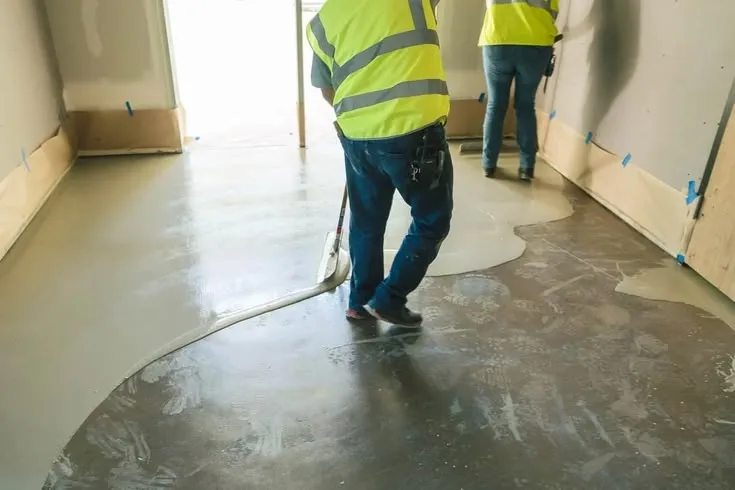
Concrete floors are often considered one of the most dependable parts of a building. They support vehicles, furniture, machinery and everyday movement without attracting much attention. However, even a strong concrete slab can develop cracks, uneven patches or surface damage over time. Ignoring these changes may complicate future renovation work, particularly when new flooring is planned. Professional concrete repairs can help address suitable forms of deterioration before they become more disruptive. Understanding what causes floor damage and when to investigate it allows property owners to make better decisions about maintenance, safety and long-term improvements.
Understand What the Cracks Are Telling You
Not every crack indicates a serious structural problem. Minor shrinkage cracks can develop as concrete cures, while temperature changes, ground movement and repeated loading may contribute to other forms of damage.
The important distinction is whether a crack is stable or continuing to change. Increasing width, vertical movement or repeated cracking in the same location may require professional investigation. Simply covering these warning signs with a decorative finish will not address the underlying cause.
Look Beyond the Visible Surface
Concrete damage is not always limited to what appears on top. Small holes, flaking patches and loose material can indicate deterioration beneath the visible surface.
Heavy impacts, moisture exposure and poor previous repairs can all contribute to these conditions. Property owners should examine affected areas carefully rather than assuming that filling a hole or applying paint will provide a lasting solution.
Prepare the Surface Before Installing New Flooring
Renovation plans often focus on choosing attractive tiles, vinyl or decorative coatings. However, the existing substrate has a significant influence on the performance of the new finish.
Proper floor preparation may involve removing old adhesives, cleaning contamination, grinding unsuitable surfaces and correcting localised unevenness. These processes create a more appropriate foundation for the selected flooring material. The exact method depends on the condition of the slab and installation requirements.
Consider How Moisture Affects Concrete
Moisture deserves particular attention in Queensland, where warm weather and heavy rainfall can influence building conditions. Water entering through cracks or moving through a concrete slab may affect certain flooring materials.
Signs such as persistent damp patches, discolouration or repeated coating failure should not be ignored. Moisture testing can help determine whether a proposed finish is appropriate. Drainage or waterproofing concerns may require separate treatment before flooring work begins.
Match Repair Methods to the Problem
Concrete deterioration requires different responses depending on its cause and severity. A shallow surface defect may need a different repair material from a damaged movement joint or an active structural crack.
Common repair approaches include:
-
Filling stable cracks with suitable repair materials.
-
Rebuilding chipped edges or localised damaged areas.
-
Repairing deteriorated joints where appropriate.
-
Correcting trip hazards caused by uneven surfaces.
-
Investigating structural movement before cosmetic repairs.
Professional assessment helps determine which approaches are suitable. Repairs should address the identified problem rather than merely conceal visible damage.
Avoid Rushing Into Decorative Finishes
A new floor coating can improve appearance and make routine cleaning easier, but it cannot compensate for every defect in the concrete underneath.
If loose material, contamination or unstable cracks remain, a coating may develop adhesion problems or reveal the original damage. Completing necessary repairs before decorative work can reduce the likelihood of avoidable complications after installation.
Think About Different Property Requirements
Residential garages, commercial kitchens and industrial workshops place different demands on concrete surfaces. Garages may experience oil spills and tyre pressure, while warehouses can be exposed to repeated heavy equipment movement.
Repair decisions should reflect these conditions. A finish suitable for light residential use may not provide the characteristics required for industrial operations. Understanding the intended purpose of the space helps guide material selection and maintenance planning.
Build Regular Inspections Into Maintenance
Concrete maintenance does not need to begin with extensive renovation work. Periodic inspections can identify developing cracks, damaged joints and surface deterioration before they interfere with everyday activities.
Keeping floors clean, managing water exposure and addressing small defects promptly can support their continued use. Property owners should also monitor previously repaired areas for new movement or deterioration, particularly in spaces exposed to demanding conditions.
Conclusion
Concrete problems are easier to manage when their causes are understood before renovation work begins. Cracks, moisture, uneven surfaces and deteriorating joints all deserve appropriate attention, especially when a new floor finish is planned. Careful assessment and suitable repairs can create a more dependable base for future improvements while helping property owners avoid unnecessary complications. For residential and commercial property owners in the Brisbane and Redlands area, epoxyflooringredlands.com.au provides information about concrete restoration and surface preparation services. Addressing damage at the right stage helps protect renovation investments and supports the practical use of the floor.