

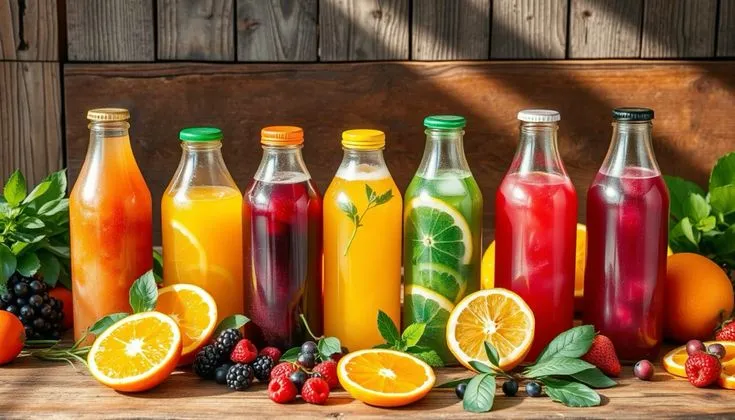
Developers choosing food coloring for drinks for a functional beverage have to think beyond the shade itself. Vitamins, minerals, botanicals, acids, sweeteners, and electrolytes can all change how a plant-based pigment looks or behaves. FoodRGB notes that ingredient interactions are especially important in hydration and functional drinks. A color that appears bright in a simple test solution may look different once the full formula is mixed. Testing the complete beverage early gives teams a more realistic starting point for color decisions under normal storage conditions.
Sweetness Changes the Formulation Picture
Reducing sugar can affect more than taste. It may change solids, mouthfeel, acidity, and the way other ingredients are balanced, which can influence how the beverage looks as well. If a team changes the sweetening system after color work is finished, the shade may need another round of testing. It is usually more efficient to evaluate sweetness and color together. That approach gives developers a clearer view of the finished drink and reduces the chance of making late adjustments when the formula is already close to commercial approval.
Where Allulose Fits
FoodRGB offers allulose in powder and liquid forms for beverages, frozen drinks, dairy, and bakery applications. The company describes it as providing about 70 percent of sugar’s sweetness, so it is not a direct sweetness match at the same usage level. Working with an Allulose Manufacturer therefore involves more than replacing one ingredient by weight. Developers still need to consider flavor balance, solids, mouthfeel, and processing. In beverages, the liquid or powder format can also affect how easily the sweetener fits the existing production process.
Acidity Needs an Early Check
Functional drinks often contain citric acid, fruit components, vitamins, or botanical ingredients that can push the formula toward a lower pH. That matters because natural colors have different preferred working ranges. FoodRGB’s beverage guidance specifically points to pH and ingredient interactions as important technical considerations. Measuring the finished drink is more useful than relying on the pH of the water base alone. Color trials should be repeated after major acids and functional ingredients are added, since even a small formula change can alter the final shade.
Processing Can Reveal Hidden Differences
A beverage may look right in a beaker and still change after pasteurization, hot filling, cooling, carbonation, or freezing. The color and sweetener should therefore be tested through the same process planned for commercial production. Allulose is described by FoodRGB as heat stable, while natural pigments differ in their own heat and light performance. Running a realistic pilot batch helps the team see how both systems behave together. It also makes it easier to spot problems before larger production volumes turn a small formulation issue into an expensive correction.
Packaging Is Part of the Color Test
Clear bottles, cans, cartons, and pouches expose beverages to different amounts of light and oxygen. Functional drinks may also spend weeks in distribution before reaching the customer, so a good-looking first batch is not enough. Developers should keep samples in the intended package and review them at planned intervals. This can reveal gradual fading, tone changes, or ingredient interactions that were not obvious on day one. Shelf testing also gives teams a better basis for choosing between two color systems that perform similarly immediately after production.
Scale-Up Changes Mixing
Commercial tanks and filling lines do not behave like laboratory glassware. Larger volumes, longer transfer times, and different mixing patterns can affect how evenly color and sweetener move through the beverage. Before final approval, pilot work should include checks from more than one point in the batch. If variation appears, the answer may be a change in addition order, pre-dispersion, or concentration rather than a new ingredient. Solving these details during scale-up helps the production team repeat the same appearance and sweetness from one run to the next.
Conclusion
Functional beverages are easier to develop when color and sweetness are treated as parts of the same formula rather than separate finishing steps. Natural pigments have to work around acids, vitamins, minerals, processing and packaging, while allulose brings its own considerations for sweetness and product balance. Manufacturers can use foodrgb.com to review natural color and sweetener solutions for beverage applications. Testing the complete drink from bench work through pilot production and shelf life gives development teams a stronger basis for choosing ingredients that remain consistent in the finished product.