

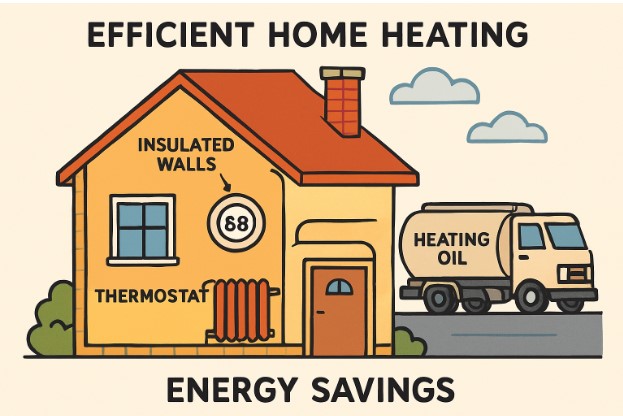
Key Takeaways
- Automatic fuel delivery guarantees uninterrupted heating and can prevent expensive emergency refills.
- Routine system maintenance and annual tune-ups help maximize efficiency and minimize unexpected breakdowns.
- Upgrading outdated appliances significantly reduces utility costs over time.
- Energy audits, insulation, and smart thermostats work together to optimize household energy consumption.
- Fuel buyers groups can offer exclusive rates, helping homeowners realize additional savings over the heating season.
As temperatures drop and energy costs rise, more homeowners are seeking efficient ways to manage heating expenses without sacrificing comfort. Modern solutions, such as smart fuel delivery, home system upgrades, and advanced technology, are not only convenient but can also dramatically reduce both costs and fuel usage. This guide explores proven strategies for using smart fuel and heating oil services to ensure a warm, energy-efficient, and budget-friendly home. For those seeking a reliable fuel provider, consider exploring cod fuel options to keep your home heated throughout winter.
By combining the convenience of automatic delivery, the savings of buyers groups, regular system maintenance, and home energy improvements, you can experience lower bills, fewer emergencies, and lasting comfort no matter what the season brings.
Automatic Delivery Services
One of the simplest ways to ensure your home never runs out of heat is by signing up for automatic delivery services. With intelligent monitoring systems, providers use your consumption data and weather patterns to predict when your tank needs to be refilled accurately. This approach relieves homeowners from the constant need to check tank levels or worry about delivery delays during harsh weather conditions. Furthermore, automatic delivery often comes with price protection programs or discounts, offering more predictable expenses across the season.
Many companies now offer online account management, streamlining the scheduling process and giving you more control over your deliveries and payments. Not only does this reduce administrative hassles, but it also mitigates the risk of emergency service fees—potentially saving you hundreds of dollars each year.
Regular Maintenance of Heating Systems
Heating systems function optimally with regular maintenance. Annual checkups by licensed professionals can detect worn components, carbon buildup, or efficiency problems before they become costly disasters. According to Energy Star, a well-tuned system can lower fuel consumption by up to 10%, making each maintenance visit an investment in future savings. Proactive repairs also help extend the life of your furnace, boiler, or tank, reducing the likelihood of needing premature replacements.
Upgrading to Energy-Efficient Appliances
Replacing outdated heating systems, windows, or water heaters with Energy Star-certified models can lead to significant long-term reductions in energy bills. Heat pumps, for instance, deliver more warmth per unit of energy, and high-efficiency water heaters can reduce household utility expenses by hundreds of dollars annually. Even simple upgrades—such as programmable thermostats or modern radiator covers—add up over time. The New York Times’ energy-saving guide offers insights on which improvements pay off the fastest.
Conducting Home Energy Audits
Professional energy audits reveal the “hidden leaks” and inefficiencies responsible for higher bills and lower comfort. Skilled auditors utilize tools such as infrared cameras and blower doors to pinpoint drafty windows, inadequate insulation, or aging appliances. After receiving a comprehensive report, homeowners can prioritize upgrades with the most significant return on investment. DIY options are available, too; the U.S. Department of Energy provides step-by-step resources and savings calculators to guide your efforts.
Sealing and Insulating Your Home
Heat lost through poorly insulated walls, attics, and floors increases both your bills and your carbon footprint. By sealing cracks, upgrading weatherstripping, and adding insulation in key areas, you can prevent drafts and significantly improve the efficiency of your existing heating system. The Environmental Protection Agency estimates that homeowners who address air leaks and improve insulation can expect to reduce their heating and cooling costs by around 15% on average, making this one of the most cost-effective improvements available.
Utilizing Smart Thermostats
Smart thermostats adapt heating schedules to suit your lifestyle—automatically lowering the temperature at night or when the house is empty, and bringing it back up only when needed. By replacing a manual thermostat with a programmable or learning model, you can ensure warmth when required and savings when not. Studies show these devices help homeowners save about 8% per year on heating and cooling expenses—savings that compound over time with consistent use.
Joining Fuel Buyers Groups
Fuel buyers groups are collectives that pool the purchasing power of their members to negotiate better rates on heating oil. By joining one, homeowners can access exclusive pricing and sometimes flexible delivery options unavailable to individual buyers. Non-profit organizations like NYPIRG organize such programs in several states, aiming to make heating costs more equitable and transparent for communities. This collective bargaining model can be especially valuable during periods of price volatility or supply uncertainty.
Conclusion
Smart fuel and heating oil services offer practical pathways to a more affordable, efficient, and comfortable home. By leveraging technology and industry best practices—such as automatic delivery, ongoing maintenance, system upgrades, energy audits, insulation, smart thermostats, and buyers’ groups—homeowners can lower costs while staying warm all winter long. Every step invested in energy efficiency pays ongoing dividends, making each season easier on both your wallet and the environment.