

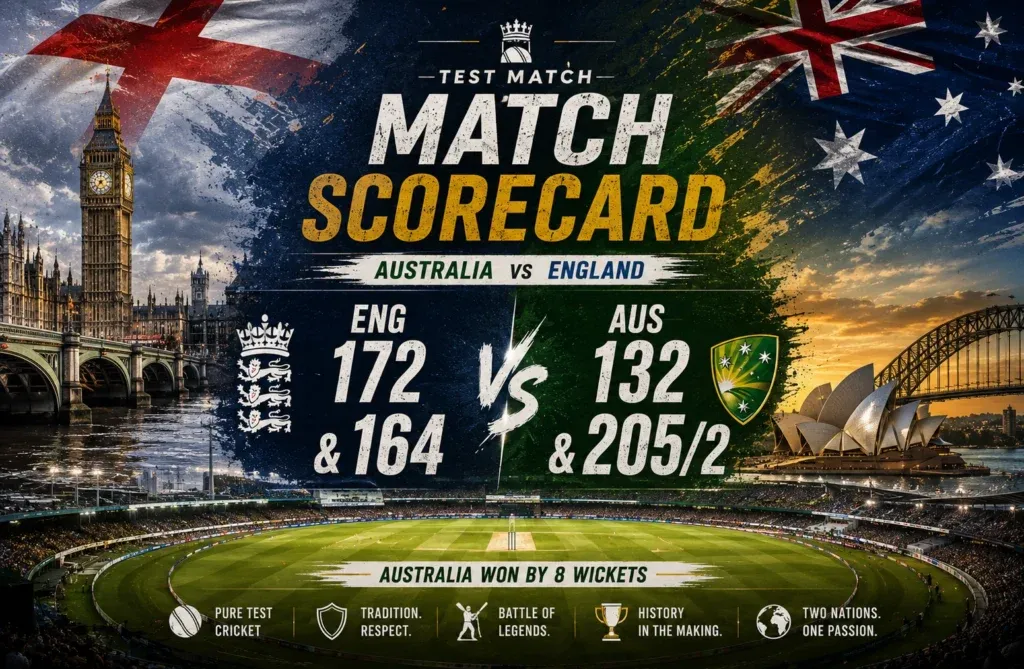
Domestic cricket produces a large amount of match information throughout each season. Readers visiting cricketmatchteam.com can explore cricket scorecard details and understand why domestic records deserve attention alongside international matches. These competitions give players opportunities to develop their skills and contribute to teams at different levels. Their scorecards preserve performances that may otherwise receive limited attention.
Domestic cricket includes several types of competitions. These may involve first-class matches, one-day tournaments, T20 leagues, state teams, clubs, and age-group competitions. Each format produces scorecards with different innings structures and statistical details.
What Domestic Scorecards Contain
A domestic cricket scorecard normally includes the teams, venue, date, innings, and result. It also records individual batting and bowling performances. Depending on the competition, the record may include partnerships, fall of wickets, extras, and player awards.
Some domestic scorecards provide extensive information. Others may contain only the basic match details and final figures. The available information depends on the competition organiser and the quality of the scoring record.
Readers should check the format before interpreting the innings. A first-class match may include more than one innings per team. A one-day or T20 match normally uses a limited-overs structure.
The scorecard should identify the competition clearly. This helps readers distinguish between similar fixtures involving the same teams. Venue and date information can provide additional confirmation.
Club Cricket And Local Matches
Club cricket is an important part of the wider cricket system. Local teams compete in leagues, weekend fixtures, and organised tournaments. Their scorecards provide records of performances outside major televised competitions.
A club scorecard may be prepared by an official scorer or a volunteer. The quality of information can vary depending on the resources available. Some clubs use digital scoring applications, while others continue using paper scorebooks.
Accurate records help clubs review player performances. They can track runs, wickets, catches, and appearances across a season. These figures may also help organisers prepare league tables and individual awards.
Local scorecards are useful for players developing their cricket careers. They can review their contributions across multiple matches. Coaches may use the records to identify strengths and areas that need improvement.
State And Regional Competitions
State and regional competitions often provide a pathway towards higher levels of cricket. Players compete against strong opposition and gain experience in organised tournaments. Their scorecards can show how performances develop over time.
These competitions may include several formats. First-class matches test batting and bowling across longer periods. Limited-overs tournaments require different strategies and scoring patterns.
Regional scorecards can also help readers discover emerging players. A batter producing consistent runs or a bowler taking regular wickets may attract attention. However, a few strong performances should not be treated as proof of future success.
Competition level and opposition quality matter when comparing players. A score from one tournament may not be directly comparable with another. Readers should check the format and playing conditions first.
Age Group Cricket Records
Age-group cricket scorecards record performances by younger players. These competitions provide opportunities to develop technique, match awareness, and teamwork. Their records can help coaches monitor progress over several seasons.
Batting scores may show how young players handle different bowling styles. Bowling figures can reveal improvements in control and consistency. Fielding entries may also record catches and run outs.
Age-group statistics require careful interpretation. Young players develop at different speeds, and physical growth can influence performance. A single tournament should not determine how a player’s ability is judged.
Privacy and responsible reporting also matter when publishing junior match information. Organisers should follow applicable policies for player details and photographs. A scorecard should provide relevant match information without exposing unnecessary personal information.
Why First Class Records Matter
First-class cricket scorecards contain detailed innings information. Each team normally has the opportunity to bat twice under standard match conditions. The record may include long batting performances, declarations, follow-on situations, and extended bowling spells.
These scorecards are useful for studying patience and consistency. A batter may spend several sessions at the crease. A bowler may deliver long spells across different periods of play.
Readers should check the innings order carefully. A team may bat first and then return for its second innings later. The scorecard may also identify whether a declaration or follow-on occurred.
First-class statistics should be compared within the correct context. A long innings in difficult conditions may carry different value from a similar score on an easy batting surface. The scorecard provides the basic figures, while match reports can explain the conditions.
Domestic T20 And One Day Records
Domestic limited-overs tournaments provide another type of scorecard. T20 matches usually involve twenty overs per side under standard conditions. One-day competitions generally provide a longer innings, often fifty overs.
The batting figures help readers understand scoring speed. Strike rate and boundary counts can be important in T20 cricket. ODI scorecards also show how batters balance steady scoring with acceleration.
Bowling records can reveal which players control the innings. Economy rates are useful in limited-overs formats. Wickets and overs completed provide additional context.
Domestic tournaments may use special playing conditions. Reduced overs, revised targets, or other adjustments can affect the scorecard. Readers should check the official competition information when a match has unusual circumstances.
Comparing Domestic Player Performances
Domestic scorecards allow readers to compare players across several fixtures. Batting averages, strike rates, and total runs provide different views of performance. Bowling averages, economy rates, and wickets can help compare bowlers.
The number of matches played should be considered. A player with more appearances has had more opportunities to collect runs or wickets. Comparing raw totals without checking appearances can be misleading.
Player roles also matter. An opener may face the new ball and build an innings. A lower-order batter may enter with limited deliveries remaining. Their responsibilities should influence how their statistics are interpreted.
Opposition strength and venue conditions can affect results. A player may perform particularly well against one bowling attack. Another may show greater consistency across several conditions.
The Value Of Complete Match Details
A complete scorecard should identify the match accurately. Team names, venue, date, and competition help readers locate the correct record. Missing information can create confusion when several fixtures take place on the same day.
Player names should be entered consistently. Different spellings can make historical searches difficult. This is particularly important for players who appear in multiple competitions.
The result should also be recorded clearly. A team may win by runs, wickets, an innings, or another method permitted by the competition. A tied match or abandoned fixture requires different result wording.
Where available, the scorer’s details can provide additional context. Some competitions identify official scorers or match officials. These records help preserve the background of the fixture.
Finding Older Domestic Scorecards
Older domestic scorecards may be stored in club archives or competition databases. Some records are available online, while others remain in paper books. The level of detail depends on how the original match was recorded.
Readers searching for an older match should begin with the competition and season. Team names and venue details can narrow the search. Player names may help identify the correct fixture when several matches share similar titles.
Historical records may contain missing information. Balls faced, extras, or fielding details might not have been recorded. Missing figures should not be guessed or presented as confirmed statistics.
A match report can sometimes provide details missing from the scorecard. Newspaper archives and official competition records may also help. Information should be checked carefully before being used in published content.
Using Domestic Scorecards In Reports
Domestic scorecards provide useful material for cricket writers. They can support match summaries, player profiles, tournament updates, and statistical comparisons. Accurate figures make these reports easier to trust.
Writers should verify the match before publishing a player’s performance. The correct innings, team, and competition should be identified. A score from a different fixture can create serious reporting errors.
It is also important to distinguish between confirmed figures and estimates. If the original record does not include a statistic, writers should not invent it. Clear reporting is more useful than a complete-looking but unreliable table.
A short explanation can make a domestic scorecard more accessible. Readers may not know the competition or the player’s role. A little context helps them understand why the performance matters.
How Digital Records Help Clubs
Digital scoring systems can make domestic match records easier to store. They may provide live updates, player statistics, and downloadable scorecards. This reduces some manual work for club administrators.
Digital records can also help organisers prepare league tables. Runs, wickets, appearances, and results can be collected across multiple fixtures. The accuracy still depends on correct entries during the match.
Clubs should keep backups where possible. A technical problem should not remove the only copy of a match record. Exporting or saving completed scorecards can protect important information.
Consistent naming is useful for long-term records. Players should appear under the same names across different fixtures. This makes seasonal statistics and historical searches more reliable.
Conclusion
Domestic cricket scorecards preserve performances from clubs, regional tournaments, age-group matches, and professional competitions. They help readers follow emerging players, compare performances, and understand the structure of different tournaments. Complete and accurate records also support cricket history and match reporting. Visit cricketmatchteam.com for cricket scorecard information and match coverage, and keep an eye on the performances taking place beyond international cricket.
Read also :-
pakistan national cricket team vs australian men’s cricket team timeline