

Key Takeaways
-
Start with daily mileage, parking conditions, weather exposure, and passenger needs.
-
Prioritize safety, clear visibility, and legal compliance before appearance upgrades.
-
Select protection based on the surfaces and risks that matter most in Murfreesboro.
-
Combine compatible projects to reduce repeat labor and vehicle downtime.
-
Check cameras, sensors, lighting, and electronic systems before making changes.
-
Budget for preparation, installation, maintenance, and future replacement.
In Murfreesboro, TN, a smart vehicle upgrade plan starts with the realities of daily driving. Hot, bright summer days, sudden rain, pollen, construction dust, parking-lot exposure, and regular trips along busy local roads can all affect a vehicle’s finish and cabin comfort. A service such as ceramic coating for cars in Murfreesboro, TN, can be part of a broader plan, but it works best when chosen for a clear need rather than as a stand-alone impulse purchase.
Whether a vehicle carries children to school, supports a local business, handles a daily commute toward Nashville, or serves as a weekend family hauler, upgrades should work together. The best choices protect high-use surfaces, improve comfort without reducing visibility, and make routine care easier over the long term.
Why A Plan Matters
Random accessories can lead to extra costs, conflicting styles, and avoidable installation work. A plan helps owners identify changes that improve several areas at once. For example, a commuter parked outside near downtown Murfreesboro may value heat reduction, easier cleaning, and paint protection more than performance parts that do not improve the daily drive. Owners are also keeping vehicles longer and making practical improvements to preserve their usefulness and appearance. Recent aftermarket trends point to continued demand for repair, maintenance, and personalization, especially for vehicles that remain in regular service for years. When comparing local options, searching for “automotive ceramic coating near me” should be only one step in the decision-making process. The more important question is whether the product, preparation process, and maintenance expectations fit the vehicle’s condition and the owner’s routine.
Start With Vehicle Use
Before buying anything, complete a short vehicle-use review. Consider average weekly mileage, highway versus city travel, garage versus outdoor parking, passenger and pet needs, cargo use, and exposure to sun, rain, gravel, tree sap, pollen, and road grime. A vehicle that spends most days in Rutherford County parking lots faces different risks than one used mainly for rural travel or weekend recreation.
-
List the three problems that bother you most, such as glare, stained carpeting, paint chips, or clutter.
-
Rank each problem by safety, comfort, cost, and how often it occurs.
-
Choose upgrades that solve more than one issue whenever possible.
Choose Protection First
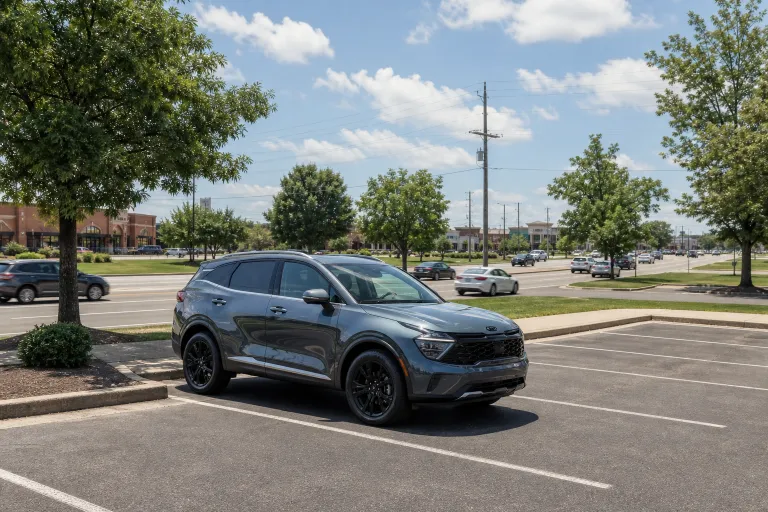
Protection should usually come before cosmetic changes because it supports the surfaces used every day. Window film may help manage glare and cabin heat. Paint protection film can help protect high-impact areas from small debris. Ceramic coatings may improve water behavior and make some routine washing easier. Floor mats, seat covers, cleaners, and interior treatments can reduce the impact of spills, mud, and frequent passenger use. Wraps and graphics can change a vehicle’s appearance while adding a removable surface layer to selected areas. No film, coating, cover, or wrap prevents every kind of damage. Results depend on paint condition, surface preparation, installation quality, driving conditions, and consistent maintenance.
Improve Cabin Comfort
For Murfreesboro drivers who spend substantial time in traffic or on I-24, comfort upgrades can provide meaningful daily benefits. Useful options include heat and glare control, improved seat support, cleaner audio, hands-free connectivity, organized storage for phones and cables, and low-glare interior lighting. Keep dashboard areas, mirrors, windows, and controls clear so that comfort never compromises visibility or access.
Add Style With Purpose
Appearance upgrades should fit how the vehicle is actually used. A work truck may benefit most from durable flooring, easy-clean seating, and understated graphics. A weekend vehicle may justify more attention to wheels, paint finish, audio, or custom accents. Choose wheels and tires that match the vehicle’s load rating and intended driving, and remember that dark finishes can show dust, water spots, and scratches more quickly.
Protect Modern Safety Systems
Modern vehicles often place cameras, radar units, parking sensors, and driver-assistance components in bumpers, grilles, mirrors, windshields, and emblems. Before installing accessories, confirm that nothing will alter sensor angles, reflections, coverage, or calibration. Test warning systems, lights, cameras, doors, and windows after the work is complete. Performance-related modifications require additional caution. Federal rules still prohibit products that bypass, remove, or tamper with emissions controls, so owners should confirm that aftermarket parts do not interfere with required emissions systems before installation.
Build A Realistic Budget
A realistic budget includes more than the advertised product price. Set aside funds for surface preparation, paint correction, professional installation, removal of old film or accessories, maintenance supplies, possible sensor calibration, and eventual repair or replacement. Divide projects into three levels:
-
Need now: Safety, visibility, damage prevention, or persistent discomfort.
-
Useful soon: Convenience upgrades and wear-reduction measures.
-
Optional later: Purely cosmetic or entertainment-focused additions.
Plan The Installation
Installation order can prevent wasted effort. Document existing damage first, then confirm fitment, warranty, and legal requirements. Complete repairs and paint correction before applying protective films or coatings. Install electronics before final interior detailing, then test sensors, lights, audio, windows, and controls. Combining related projects can reduce the need for repeated cleaning and panel removal, but rushed preparation can undermine the results.
Care For The Results
Protect the investment with a simple maintenance routine. Use products designed for the specific film, coating, wrap, or interior material. Avoid abrasive brushes and towels, promptly remove bird droppings and tree sap, and inspect seams, edges, wiring, sensors, and fasteners during regular cleaning. Keep installation dates and care instructions for future warranty questions or resale discussions.
Common Questions
Which Upgrade Should Come First?
Start with the issue that creates the greatest everyday risk or frustration. Heat, glare, paint damage, poor visibility, and interior wear often deserve attention before cosmetic additions.
Can Every Vehicle Receive The Same Upgrades?
No. Paint condition, glass type, vehicle age, trim level, sensor placement, and existing accessories all affect compatibility.
Are Vehicle Modifications Always Legal?
No. Window visibility, lighting, wheel coverage, exhaust equipment, plate placement, and other modifications may be regulated. Confirm current Tennessee and local requirements before scheduling installation.
Conclusion
A practical upgrade plan for a Murfreesboro vehicle begins with real driving conditions, not a list of passing trends. Consider where the vehicle is parked, how often it is driven, and what it faces on Tennessee roads throughout the year. By protecting vulnerable surfaces, improving everyday comfort, maintaining clear visibility, respecting vehicle technology, carefully planning each installation, and budgeting for ongoing maintenance, owners can avoid unnecessary upgrades and reduce the risk of costly rework. Choosing quality products and professional installation can also help preserve the vehicle’s appearance and functionality. Most importantly, the best upgrades are those that provide lasting value and remain useful long after the initial work is complete.