

Fashion trends come and go, but some styles maintain their relevance because they carry cultural meaning that extends beyond appearance. Traditional attire often serves as a bridge between generations, preserving customs, values, and shared experiences through clothing. In an era shaped by rapidly changing trends and digital influences, traditional fashion continues to play an important role in connecting people to their heritage and family traditions.
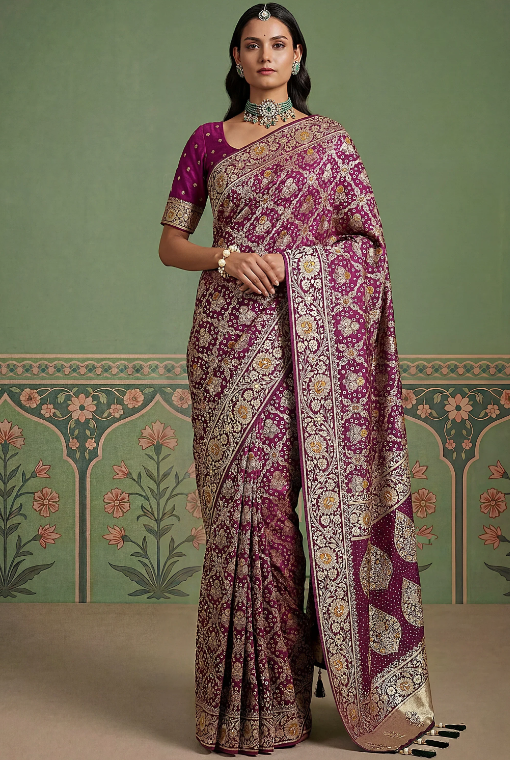
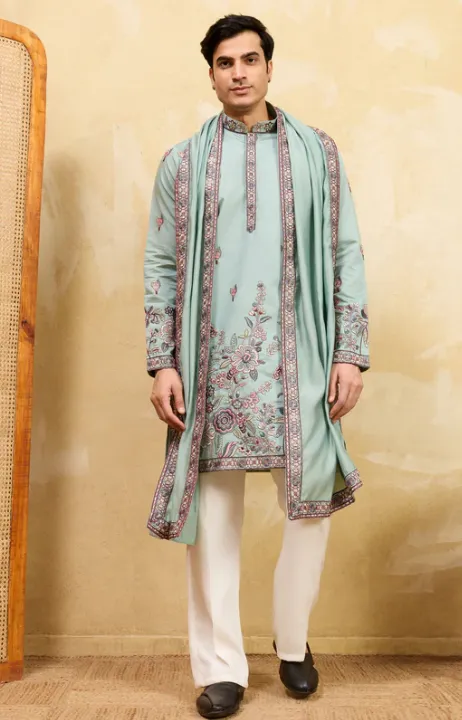
The enduring popularity of Sarees For Women and Kurta with Dupatta for Men reflects this connection. These garments are more than pieces of clothing; they represent cultural continuity, shared celebrations, and a sense of belonging that transcends generations. Their continued presence in modern wardrobes highlights the unique ability of traditional fashion to evolve while maintaining its cultural significance.
Fashion as a Reflection of Cultural Heritage
Clothing has long been an important expression of cultural identity. Traditional garments often carry stories, customs, and values that have been passed down through generations.
Unlike trend-driven fashion, cultural attire frequently represents something deeper than aesthetics. It serves as a visual reminder of family traditions, community connections, and shared histories.
This enduring significance helps explain why traditional garments continue to hold a meaningful place in contemporary society. Even as fashion evolves, many individuals remain connected to styles that reflect their cultural roots.
As a result, traditional attire continues to play an important role in preserving heritage.
How Fashion Creates Connections Between Generations
One of the most remarkable aspects of traditional clothing is its ability to connect people across different age groups. Family celebrations, festivals, and cultural gatherings often bring together multiple generations, many of whom participate in shared traditions through fashion.
The continued popularity of Sarees For Women demonstrates how clothing can become a symbol of continuity. Younger generations often encounter traditional attire through family events, creating opportunities to engage with cultural practices and values.
Similarly, traditional menswear remains an important part of celebrations, helping maintain connections between past and present.
These shared experiences strengthen the role of fashion as a cultural link across generations.
The Importance of Family Celebrations
Celebrations often provide the strongest connection between traditional clothing and cultural identity. Weddings, festivals, religious events, and family gatherings frequently encourage people to embrace attire that reflects the significance of the occasion.
These moments allow traditions to be experienced rather than simply remembered. Through clothing, younger family members gain exposure to styles and customs that have remained meaningful over time.
The Kurta with Dupatta for Men represents how traditional menswear continues to participate in these cultural experiences, helping preserve customs while adapting to modern preferences.
As celebrations evolve, traditional fashion remains an important part of the experience.
Why Younger Generations Continue to Embrace Traditional Fashion
Contrary to the belief that younger consumers focus only on modern trends, many are developing a renewed appreciation for cultural attire. Traditional fashion often offers a sense of authenticity and identity that cannot always be found in fast-changing trends.
Younger generations increasingly view traditional garments as a way to celebrate heritage while expressing individuality. Rather than choosing between modern and traditional fashion, many are finding ways to embrace both.
This growing appreciation helps ensure that cultural attire remains relevant in contemporary wardrobes.
It also demonstrates how traditional fashion can evolve without losing its essential character.
Balancing Heritage and Modern Lifestyles
One reason traditional garments continue to thrive is their ability to adapt. While cultural significance remains important, modern consumers also value comfort, versatility, and practicality.
Designers and consumers alike are finding ways to incorporate traditional attire into contemporary lifestyles without compromising its identity. This balance allows cultural clothing to remain meaningful while responding to changing expectations.
The enduring popularity of Sarees For Women and Kurta with Dupatta for Men reflects this successful balance between preservation and evolution.
Their adaptability has helped maintain their relevance across generations.
The Future of Intergenerational Fashion
As societies continue to evolve, traditional fashion is likely to remain an important source of cultural connection. While styles may change and interpretations may vary, the underlying significance of cultural attire remains strong.
Traditional garments provide a way for individuals to participate in shared traditions while expressing their own identity. This combination of continuity and personal expression helps ensure their long-term relevance.
Future generations are likely to continue discovering new ways to engage with traditional fashion while preserving the values and stories associated with it.
Final Thoughts
The enduring popularity of Sarees For Women and Kurta with Dupatta for Men demonstrates how traditional fashion continues to connect generations. By serving as a link between heritage and modern life, these garments help preserve cultural identity while remaining relevant to contemporary consumers.
As fashion continues to evolve, traditional attire will remain an important reminder that clothing can be more than a style choice—it can also be a powerful expression of history, family, and shared cultural experiences.