
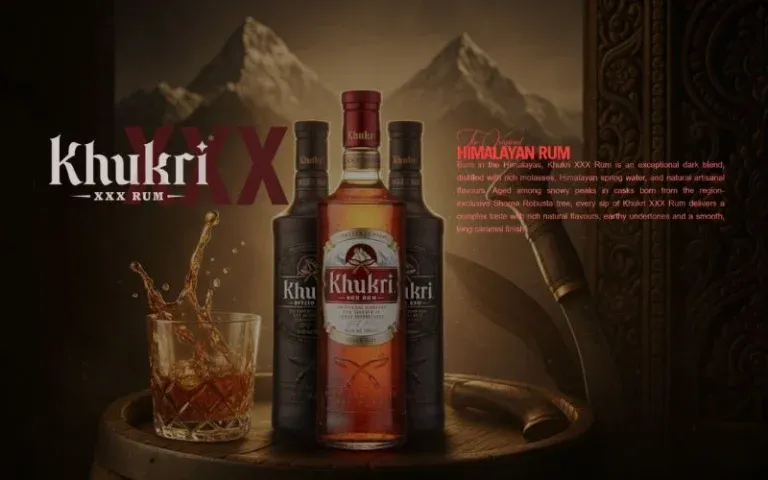
Rum labels contain useful information that can make price comparisons much easier to understand. sharabprice.com helps readers explore rum pricing information while considering product descriptions, bottle details, and regional market differences. Two bottles may appear similar from a distance, yet their labels can reveal important differences. Product names, manufacturing details, volume, and packaging descriptions all provide useful clues. Reading these details carefully can prevent confusion when several products appear together in price lists.
Reading Product Labels Carefully
Product labels usually contain several details that identify the particular rum being described. Brand names, product varieties, bottle quantities, and manufacturer information can help distinguish one listing from another. Some labels also mention production methods or maturation details. These descriptions should be read carefully because similar names may represent different products. A price attached to one variety should not automatically be applied to another. Checking the complete label provides a clearer starting point before comparing retail amounts.
Understanding Alcohol Strength Information
Alcohol strength is another detail that may appear on rum packaging. Labels commonly express this information as alcohol by volume, usually written as ABV. This percentage describes the proportion of alcohol in the liquid rather than the total quantity contained inside the bottle. Products with different alcohol strengths may appear under separate descriptions. Readers should record the stated percentage when comparing product information. However, alcohol strength alone does not establish the retail price because several other factors influence pricing.
Manufacturing Details And Product Identity
Manufacturing information can help readers understand where a product originates and how it is identified. Labels may mention the producer, bottling location, manufacturer, or responsible distributor. These details can be useful when products with similar brand names appear in different markets. Some products may also have separate bottling arrangements or distribution descriptions. Checking the manufacturer information helps reduce confusion between unrelated listings. It also provides useful context when researching a particular product across several regional price tables.
Bottle Volume And Printed Prices
Bottle volume should always be considered alongside the price printed in a listing. A bottle containing a different quantity cannot be compared fairly using the total amount alone. For example, two listings may describe the same product but refer to separate package sizes. Their total prices can differ without indicating that the underlying product has changed. Readers should identify the exact quantity before comparing figures. This small detail makes retail price research considerably more accurate and easier to follow.
Packaging Can Create Variations
Packaging descriptions sometimes explain why related products appear under separate retail listings. Standard bottles, gift presentations, and specially packaged editions may involve different packaging arrangements. These differences can influence production expenses and distribution requirements. However, a different package does not necessarily indicate a different liquid or manufacturing process. Readers should compare the product description and package details together. This approach helps explain certain price differences without assuming that packaging alone determines the final amount.
Regional Labels Require Attention
Products sold in different states may carry information connected with local regulations and distribution requirements. Alcohol labeling rules and retail arrangements can vary according to the relevant jurisdiction. Some regional listings may include additional identifying information or specific retail details. Readers should check the location associated with a price before applying it elsewhere. A product listed in Rajasthan may not carry the same retail price in another state. Regional context remains essential when interpreting alcohol pricing information.
Official Price Information Matters
Official price information can help readers understand the figures associated with particular products. Depending on the region, relevant details may appear through excise department publications, government notifications, or authorized retail sources. These sources can provide context that general online articles sometimes lack. Readers should identify whether a displayed figure represents an official retail price, a historical amount, or an estimate. The publication date is equally important because regulations and prices may change. Checking suitable official information reduces the possibility of relying on outdated figures.
Comparing Different Product Descriptions
Product descriptions should be compared carefully whenever several similar bottles appear in one listing. A difference in spelling, product category, alcohol strength, or package volume may indicate a separate product. Some retailers also shorten product names, making identification more difficult. Checking additional manufacturer information can help clarify uncertain descriptions. Readers should avoid treating similar brand names as proof that two listings describe identical products. Accurate identification should come before any meaningful price comparison.
Why Retail Prices Change
Retail prices can change when applicable duties, distribution costs, or administrative rules are revised. Packaging expenses and regional market arrangements may also influence the amounts displayed by retailers. These changes can occur independently of the product label itself. An older listing might therefore describe a genuine historical price without representing the current market amount. Readers should check the date and source whenever they encounter conflicting figures. Current regional information provides better context than an undated price copied across websites.
Keeping Product Records Organized
Organized product information makes later comparisons easier and reduces unnecessary confusion. Readers can keep the product name, bottle volume, alcohol strength, location, and source together when researching listings. Recording the publication date also helps distinguish older figures from recently verified information. This becomes particularly useful when several similar products appear across different regions. Clear records make it easier to identify missing details and check uncertain information. A simple, consistent approach can improve the accuracy of general price research.
Conclusion
Rum labels provide useful information that helps readers understand product identity and retail price differences. sharabprice.com can help readers explore pricing information while considering bottle volumes, alcohol strength, packaging, and regional conditions. No single label detail explains every difference between retail amounts. Checking complete product descriptions, applicable dates, and official regional information provides a clearer understanding. Careful identification also prevents unrelated products from being compared incorrectly. Reliable price research begins with understanding exactly what each listing describes.
Read also :-
doberman whisky price in mumbai