

Table of Contents
- Define Functional Zones
- Incorporate Hardscaping Elements
- Embrace Recycled and Upcycled Materials
- Add Water Features for Tranquility
- Enhance with Strategic Lighting
- Create Vertical Gardens
- Use Multi-Functional Furniture
- Conclusion
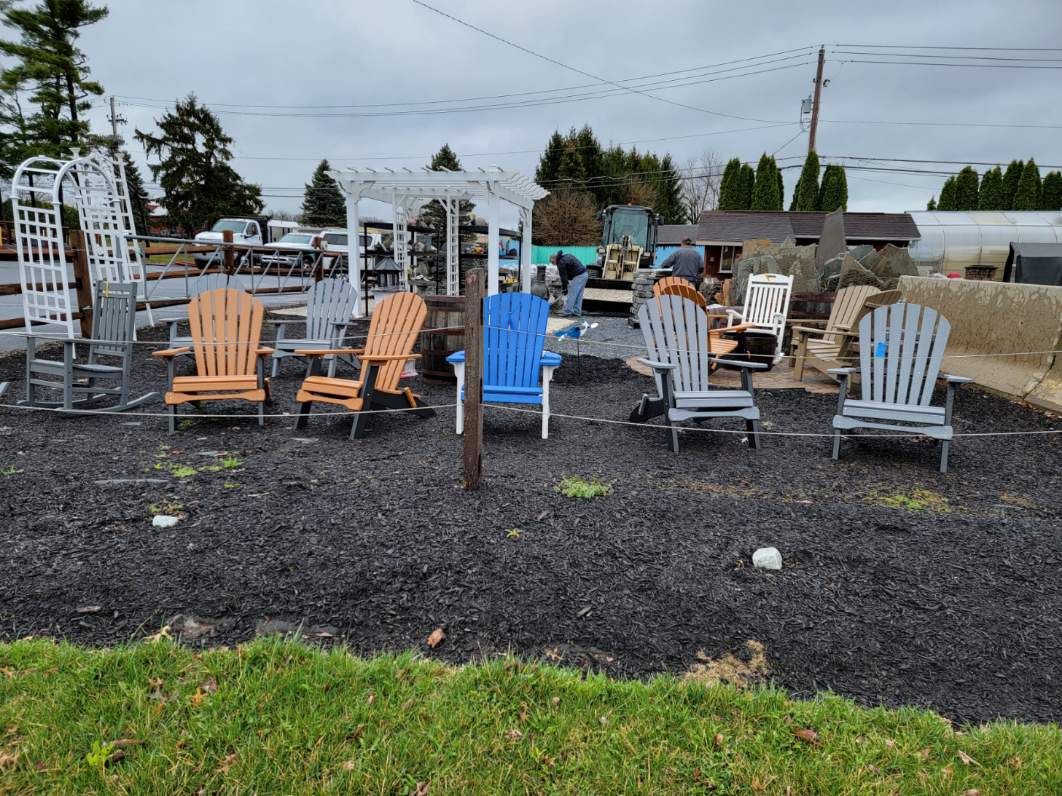
Transform your backyard into an extension of your home with thoughtful material choices and practical design. Whether it’s a cozy patio for entertaining or a vibrant area for gardening and relaxation, the right landscaping touches can shape an outdoor environment that truly suits your needs. Attractive solutions, such as outdoor wood furniture Denver PA, elevate your space’s comfort and style while maximizing utility for daily living.
Even on a modest budget, creativity and strategic use of landscaping materials offer countless opportunities. Hardscaping, sustainable accents, and innovative furniture options help organize your yard, offer privacy, and make every square foot work harder for you. These design techniques blend beauty with function, turning every outdoor nook into a purposeful retreat.
Define Functional Zones
Start any landscape transformation by considering how your yard is used. Visualizing activity zones creates structure and clarity. Popular zones include spaces for al fresco dining, lounging, fire pits, and kid-friendly play. Simple materials—such as pea gravel for a play area and pavers for a dining patio—clearly delineate each space. Separation keeps the yard tidy and every functional space easily accessible. Making zones with natural borders such as flower beds or hedges complements the flow and fosters privacy.
Outlining activity spaces helps take full advantage of available square footage. For example, a deck near the house can transition seamlessly into a stone path that leads to a secluded garden bench or hammock. By arranging zones using pathways and sightlines, each corner of your yard is inviting and optimized for its purpose.
Incorporate Hardscaping Elements
Hardscaping features—such as patios, walkways, and retaining walls—build the framework for a functional landscape. Pavers, bricks, and natural stone create durable, low-maintenance surfaces that withstand weather and heavy use. These elements not only carve out usable platforms for dining and gathering but also provide accessible routes through flower beds, vegetable patches, or play areas.
For sloped yards, a retaining wall fashioned from stone or concrete blocks offers both critical soil retention and tiered seating. Decorative pavers can be used throughout the garden, linking various zones to create a cohesive design. Adding hardscaping is an opportunity to introduce materials that complement the style and color palette of your home, thereby reinforcing the visual unity of your yard.
Embrace Recycled and Upcycled Materials
Eco-friendly landscaping doesn’t mean sacrificing beauty or practicality. Recycled and reclaimed elements, such as old bricks, stones, or wood timbers, add a unique texture and charm. Repurposing vintage items—such as transforming pallet wood into benches or planters—keeps costs down and lends your space a bespoke character. Salvaged metal grates can be converted into creative walkways, or mismatched tiles can be set into mosaics for added artistry and interest.
These materials can also encourage conversation and sustainability. Not only does reusing reduce your project’s carbon footprint, but it also infuses the area with stories and history. Resourceful design with reclaimed materials ensures your functional landscape is also environmentally mindful.
Add Water Features for Tranquility
Introducing water—whether it’s a classic fountain, a bubbling urn, or a compact pond—brings tranquility and visual movement to your outdoor space. Flowing water soothes the senses, masking neighborhood noise and making your yard feel like a retreat. Even limited spaces can benefit from small, self-contained fountains or water bowls, which serve as decorative accents and wildlife magnets.
Larger yards may support a full pond, blending river rocks and aquatic plants for a touch of natural wilderness. Water features require careful planning, from placement to safety, but their impact on ambiance is invaluable. Remember to consider energy-efficient pumps and recirculating systems to keep your features eco-friendly and manageable.
Enhance with Strategic Lighting
Outdoor lighting transforms your space after sunset, adding dramatic visual appeal. Solar path lights guide guests safely around the landscape, while string lights overhead define patio and seating areas with a welcoming glow. Accent spotlights can highlight beautiful specimen trees, garden art pieces, or water features, lending focus and atmosphere to your design.
Well-placed lighting extends the usability of your garden, making it enjoyable late into the evening. Consider using soft, low-voltage fixtures to layer light, creating both safety and ambiance. Subtle under-rail or step lights add depth and guide movement through the yard, while colored bulbs can set the mood for gatherings or quiet reflection.
Create Vertical Gardens
If ground space is limited, vertical gardening is a creative way to maximize green space. Wall planters, trellises, and hanging systems turn fences or bare walls into living works of art. Vertical gardens accommodate a wide range of plants, from succulents and flowers to vegetables and herbs, providing both aesthetic appeal and functionality in even the smallest courtyards or balconies.
Consider geometric arrangements and staggered heights for added depth and variety. Living walls also serve as privacy screens and cooling features, making them an especially practical addition to urban or densely populated areas where privacy and shade are desired.
Use Multi-Functional Furniture
Efficient use of space often depends on choosing versatile outdoor furniture. Select benches that open for storage, tables that expand for big gatherings, or sectional seating that can be rearranged to suit any activity. Pieces that marry form and function make it easy to switch between relaxing, entertaining, and outdoor recreation as the season or need changes.
Look for materials that marry weather resistance with comfort and style, and coordinate with your landscape’s design motifs. The right choices ensure every corner of your outdoor space can adapt and serve your household all year round.
Conclusion
Landscaping materials are as much about function as they are about flair. By thoughtfully assigning zones, incorporating hardscaping, upcycling, using water features, enhancing with lighting, building up with vertical gardens, and selecting versatile furniture, your outdoor space can become the favorite “room” in your home. Tailor each element to reflect your lifestyle, values, and taste for an outdoor retreat that is as functional as it is beautiful.